The Dos and Don'ts of Retargeting Ads for Lead Generation

You’ve invested time and money driving traffic to your website. Visitors browse your products, read your content, maybe even add items to their cart—then they vanish. Sound familiar? You’re not alone. Studies show that 97% of first-time website visitors leave without converting. But here’s the good news: retargeting ads give you a second chance to win them back.

When executed properly, retargeting transforms casual browsers into qualified leads and loyal customers. When done poorly, it becomes the digital equivalent of a pushy salesperson following prospects around the store. The difference between these outcomes comes down to strategy, nuance, and respect for your audience’s experience.

In this guide, we’ll explore the essential dos and don’ts of retargeting ads for lead generation. Whether you’re a PPC manager optimizing campaigns or a business owner looking to improve ad spend efficiency, these insights will help you build retargeting strategies that convert without annoying

Retargeting Ads for Lead Generation

The Dos: Best Practices for Retargeting Success

Implement Frequency Caps to Prevent Ad Fatigue

There’s a sweet spot between staying top-of-mind and becoming an annoyance. Frequency caps ensure you don’t cross that line by limiting how often any individual sees your retargeting ads within a given timeframe.

Start conservatively—perhaps three impressions per user per day—then adjust based on performance data. Monitor metrics like frequency, click-through rates, and sentiment indicators. If CTR drops significantly as frequency increases, your caps may be too high.

Different campaigns may warrant different frequency strategies. High-intent audiences like cart abandoners might tolerate slightly higher frequency, while cold traffic that merely visited your homepage should see fewer impressions. Test and refine based on your specific audience behavior.

Test and Optimize Creative Continuously

Test and Optimize Creative Continuously

Even the best ad creative loses effectiveness over time. Regular testing and refreshing keeps your campaigns performing at their peak while preventing creative fatigue.

Rotate multiple ad variations to identify what resonates most with your audience. Test different value propositions, imagery, calls-to-action, and formats. A/B testing is your friend—but don’t stop at two variations. Develop a systematic testing program that continuously introduces new creative elements.

Pay attention to creative fatigue metrics. When you notice declining click-through rates on previously strong ads, it’s time for a refresh. This doesn’t mean completely abandoning what works—sometimes small tweaks to copy or imagery can restore performance.

The Don'ts: Common Pitfalls to Avoid

Use the Same Creative Until It Causes Burnout

Use the Same Creative Until It Causes Burnout

Showing the same ad repeatedly doesn’t just bore your audience—it actively harms campaign performance. Creative fatigue sets in when people have seen your ad so many times that they consciously or subconsciously tune it out.

The solution is proactive creative rotation. Build a library of ad variations from the start, and set up rules to automatically rotate them based on impressions or time intervals. This keeps your messaging fresh even if you’re targeting the same audience over an extended period.

Watch for signs of creative fatigue in your metrics. Rising CPMs, declining CTRs, and increased frequency without corresponding conversions all signal that your creative has overstayed its welcome. Refresh before performance tanks, not after.

Overlook Privacy Regulations and User Consent

Overlook Privacy Regulations and User Consent

Privacy regulations like GDPR, CCPA, and similar laws worldwide have fundamentally changed how retargeting works. Non-compliance isn’t just unethical—it carries significant legal and financial risks.

Ensure your retargeting practices respect user privacy preferences. Implement proper consent mechanisms, honor opt-outs, and maintain transparent data practices. This means auditing your pixel implementations, working with compliant advertising platforms, and staying current on evolving regulations.

Beyond legal compliance, consider the ethical dimensions. Just because you can retarget someone doesn’t always mean you should. Building trust through respectful data practices pays long-term dividends that far outweigh short-term conversion gains.

Advanced Strategies for Sophisticated Retargeting

Once you’ve mastered the fundamentals, consider these advanced tactics to further optimize your campaigns.

Sequential messaging

Creates a narrative arc across multiple ad exposures. Rather than showing the same message repeatedly, you tell a story that deepens engagement over time. The first ad might introduce a problem, the second presents your solution, and the third offers social proof or a special offer.

Time-based triggers

Creates a narrative arc across multiple ad exposures. Rather than showing the same message repeatedly, you tell a story that deepens engagement over time. The first ad might introduce a problem, the second presents your solution, and the third offers social proof or a special offer.

Engagement-based optimization

Tailors your approach based on how users interact with your retargeting ads. Someone who clicks but doesn’t convert might enter a different sequence than someone who hasn’t engaged at all.

Lookalike audiences

Extend your retargeting strategy by finding new prospects who share characteristics with your best website visitors. While technically not retargeting, this strategy leverages the same behavioral insights to improve cold acquisition.

Measuring Success: Key Metrics for Retargeting Campaigns

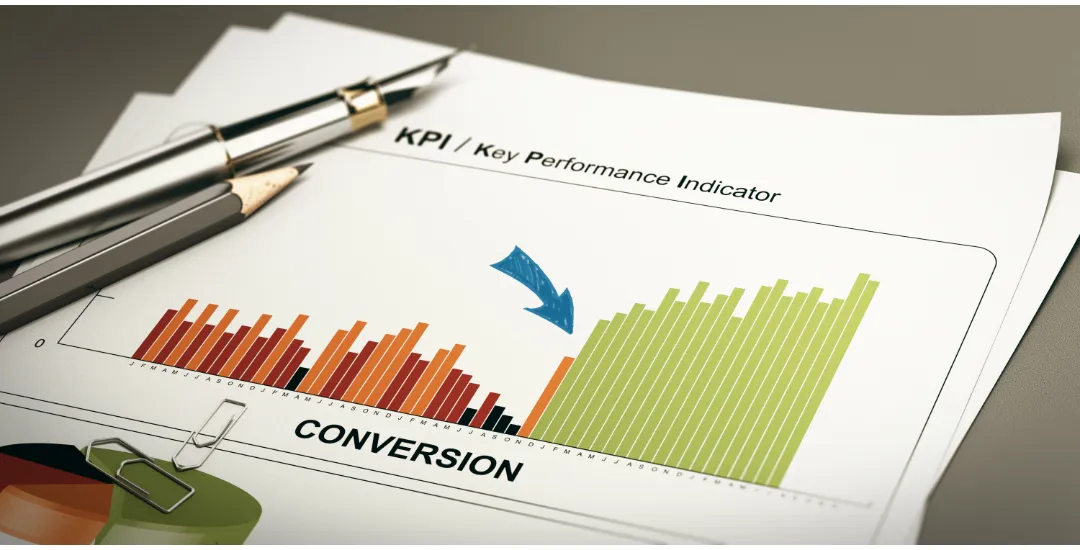
Effective optimization requires tracking the right metrics. Beyond basic click-through rates, monitor these key performance indicators:

Conversion rate tells you how effectively your retargeting turns browsers into leads or customers. Compare this across different audience segments to identify which respond best.

Cost per acquisition (CPA) measures the efficiency of your spend. Retargeting should typically deliver lower CPAs than cold prospecting since you’re reaching warm audiences.

View-through conversions capture people who saw your ad but converted through another channel. This helps you understand retargeting’s full influence on the customer journey.

Return on ad spend (ROAS) provides the ultimate measure of campaign profitability. Track this closely and optimize toward audience segments, creative variations, and platforms that deliver the strongest returns.

Time to conversion reveals how long your retargeting nurture sequences need to be. If most conversions happen within five days, there’s little value in 30-day campaigns.

Key Metrics for Retargeting Campaigns

Bringing It All Together

Retargeting ads represent one of the most powerful tools in modern digital marketing, offering a second chance to convert prospects who have already shown interest in your business. The difference between success and failure lies not in whether you retarget, but how you do it.

The dos we’ve covered—behavioral segmentation, offering fresh value, implementing frequency caps, creating dynamic campaigns, excluding converters, utilizing cross-channel approaches, and continuously testing creative—form the foundation of respectful, effective retargeting.

Avoiding the don’ts—neglecting mobile, creative burnout, ignoring attribution, unclear CTAs, indefinite campaigns, and privacy violations—protects your brand reputation while maximizing efficiency.

Remember that retargeting is fundamentally about relationships, not just transactions. Treat your prospects with the same respect and consideration you’d expect as a consumer. When you strike the right balance between persistence and respect, frequency and freshness, automation and personalization, your retargeting campaigns become a competitive advantage that consistently delivers qualified leads at a lower cost per acquisition.

Share the Post:

More Posts

Mastering Meta Ads Lead Generation Your Ultimate Guide

Mastering Meta Ads Lead Generation: Your Ultimate Guide

Mastering Meta Ads Lead Generation: Your Ultimate Guide What Are Meta Lead Ads? Meta Lead Ads are a specific ad format designed to capture prospect information — like name, email, phone number, or job title — directly within the platform, without sending users to an external landing page. When someone clicks your ad, a pre-filled

Mobile-First Meta Ads Your Guide to Optimization

Mobile-First Meta Ads: Your Guide to Optimization

Mobile-First Meta Ads: Your Complete Guide to Optimization Why Mobile-First Matters More Than Ever Mobile isn’t a secondary screen anymore — it’s the primary one. When you design ads for desktop and hope they work on mobile, you end up with cropped images, tiny text, and layouts that feel off. When you design for mobile

Storytelling in Ads Boost Your Meta Campaign Performance

Storytelling in Ads: Boost Your Meta Campaign Performance

Storytelling in Ads: Boost Your Meta Campaign Performance Introduction: Why Stories Sell In a world of endless scrolling and shrinking attention spans, the brands that win on Meta aren’t the ones shouting the loudest — they’re the ones telling the best stories. Storytelling in advertising is not a new concept, but its power on platforms

Advanced Meta Ads Targeting Beyond

Advanced Meta Ads Targeting: Beyond the Basics

Advanced Meta Ads Targeting: Beyond the Basics Advanced Meta Ads Targeting: Beyond the Basics If you’ve already mastered the fundamentals of Meta Ads — demographics, basic interests, and location targeting — it’s time to level up. The marketers who consistently win on Meta aren’t just targeting the right people; they’re targeting the right people with